 The Speed Project
Sprint training, done properly
The Speed Project is a free weekly newsletter on sprint training for athletes and coaches. No fluff, no generic fitness advice: evidence-based content from someone who has spent a decade on the track.
Free every Saturday. Get the Sprint Season Blueprint when you join.

Coach, athlete, ten years on the track
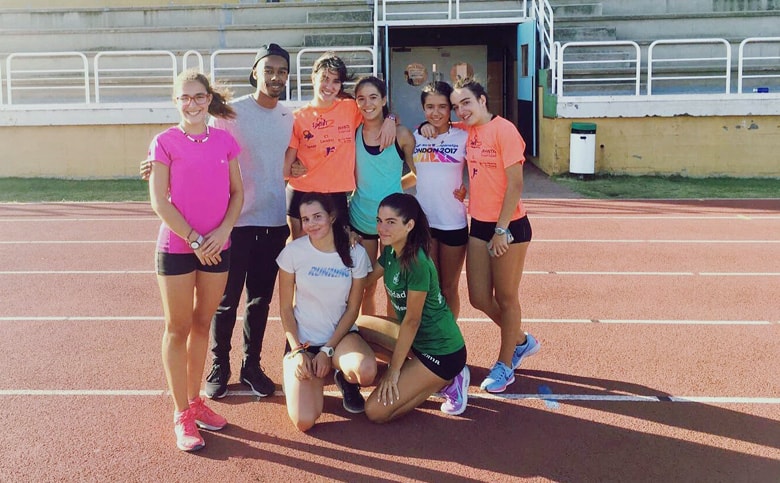
I've been coaching sprint athletes since 2016, working across club and high-performance environments in the UK and at a performance centre in Spain. Before that I competed in the 100m and 200m myself.
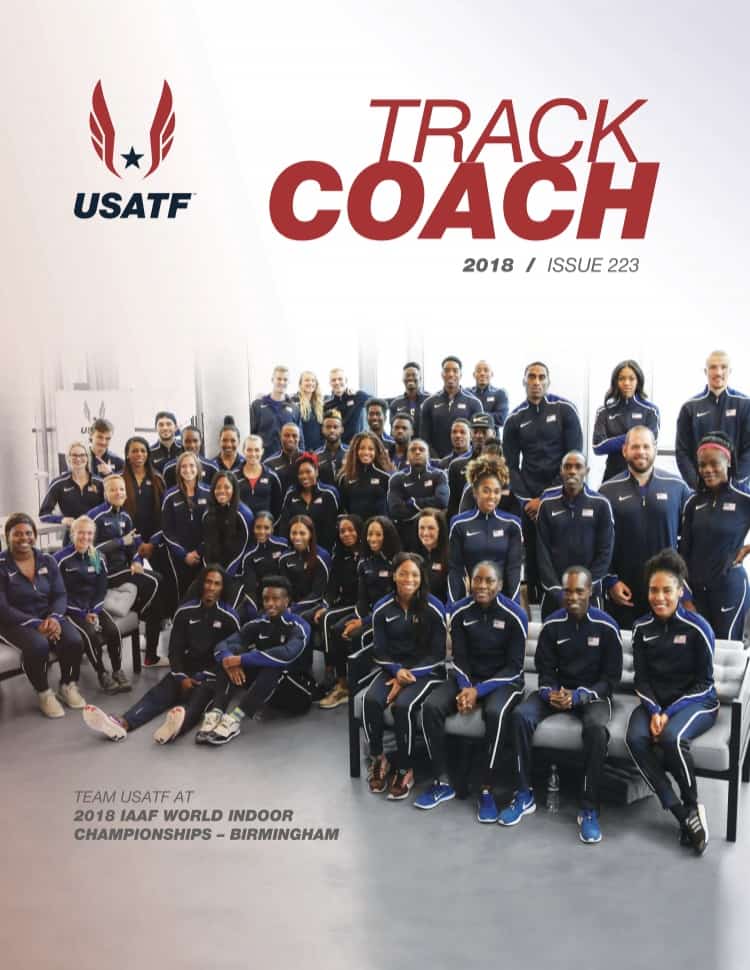
I hold a degree in Sport and Exercise Science and a PICP Athlete Performance Specialist certification. I've written for USATF Track Coach on sprint training and strength development for coaches.
The Speed Project started as a way to share what I was learning. It became a weekly newsletter, then a full training manual. The goal hasn't changed: cut through the noise and give athletes and coaches information they can actually use.

The rules I coach by
Speed first
Everything in training exists to make the athlete faster. If a session isn't contributing to that, directly or indirectly, it shouldn't be in the program.
Know why before how
An athlete who understands why they're doing something trains it better. I don't just prescribe sessions. I explain the reasoning.
Quality over volume
A session done tired with poor mechanics doesn't build speed. It reinforces bad patterns. Less, done well, beats more done poorly every time.
No one-size-fits-all
The athlete in front of you is not a spreadsheet. Age, training age, event, schedule and facilities all shape the plan. Principles are universal. Application never is.
What coaches say
Coaches and athletes on the newsletter and the Sprint Manual, in their own words.
Read the reviews